
What Is Media Training and Why Every Leader Needs It in 2026
What Is Media Training?
Media training teaches leaders, executives, and business owners how to speak with confidence and clarity when representing their organization in public. It prepares you for interviews, press conferences, podcasts, livestreams, and any situation where your words are being recorded or shared.
During a typical media training session, you’ll learn how to:
- Develop clear and consistent talking points
- Handle difficult or unexpected questions
- Use body language and tone effectively
- Control the direction of a conversation
- Communicate across digital and traditional media
In short, media training helps you tell your story with purpose, protect your message under pressure, and represent your business with authority.
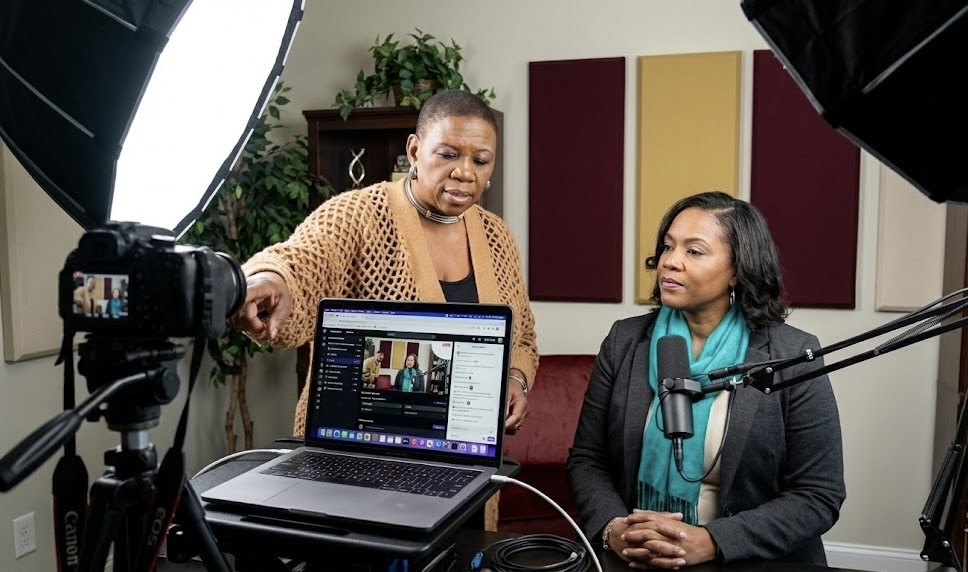
Why Media Training for Businesses Matters in 2026
The media world has changed dramatically. It’s no longer just about reporters and television cameras. Every employee, customer, and follower with a smartphone is now part of your audience. The rise of podcasts, video content, and AI-driven media means your business’s message can spread fast — for better or worse.
That’s why media training for businesses is essential in 2026. It ensures every public-facing leader, from the CEO to the marketing team, knows how to speak consistently and confidently across multiple platforms.
Here’s why it’s more important than ever:
1. A.I. and Automation Amplify Every Word
Artificial Intelligence tools now summarize and republish interviews in seconds. That means one sentence from your video or statement can appear in hundreds of places online. Media training helps you craft strong, clear messages that can’t be easily taken out of context.
2. The Era of Short Attention Spans
People consume information in seconds. If your message isn’t sharp and memorable, it gets lost. Media training teaches leaders how to deliver short, impactful soundbites that capture attention and build credibility quickly.
3. Transparency Is the New Expectation
Customers expect leaders to be visible and authentic. Hiding behind a press release doesn’t work anymore. Media training helps executives develop a natural, approachable style while staying on brand and on message.
4. Crisis Can Strike Without Warning
Every organization is one headline or viral post away from a potential PR crisis. Media training gives your team the tools to respond calmly, communicate with empathy, and protect your reputation when it matters most.
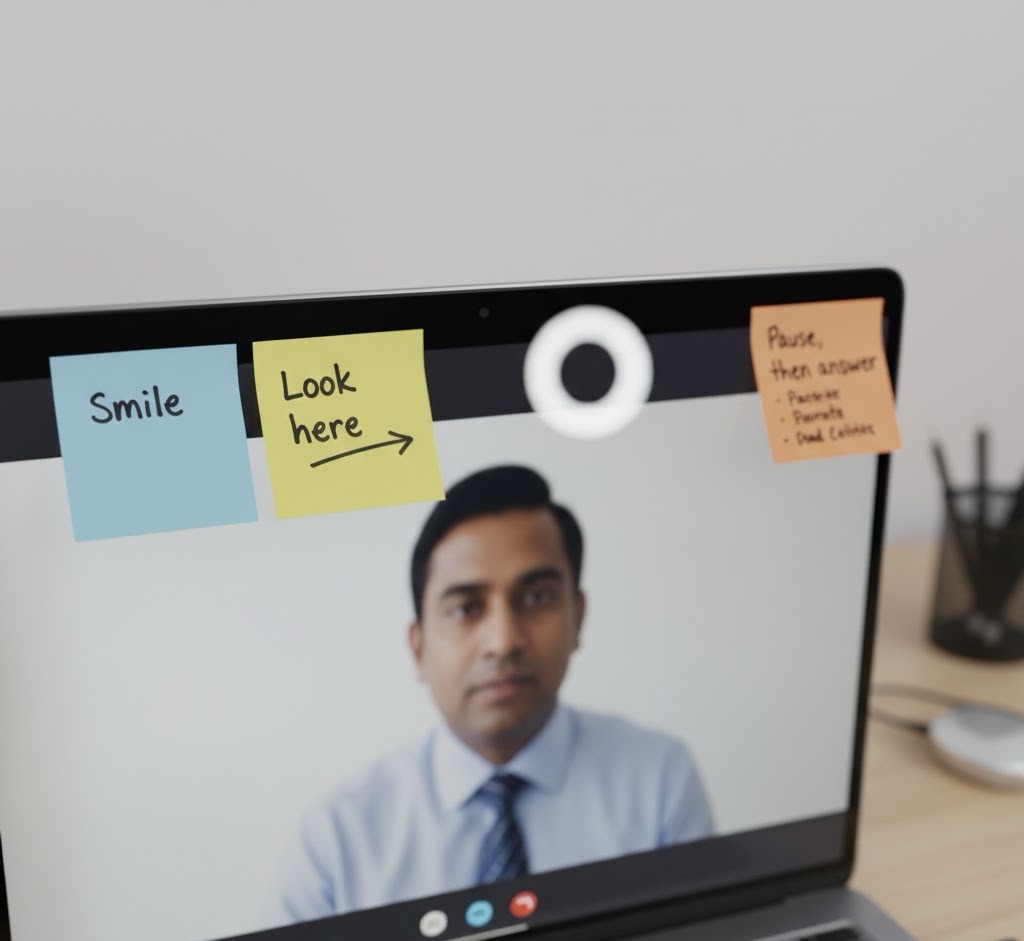
The ROI of Media Training for Businesses
Many companies treat media training as a one-time PR fix. In reality, it’s an investment that pays ongoing returns. When your team is trained to speak clearly and confidently, it strengthens every part of your business communication — from customer interviews to investor meetings.
Here are some of the measurable benefits:
- Stronger brand image: Trained spokespeople present your business as polished and trustworthy.
- Higher visibility: Great media performance leads to more coverage, more shares, and more recognition.
- Improved crisis management: Teams can respond quickly and effectively to sensitive issues.
- Better internal communication: Consistent messaging from leadership builds alignment inside the company.
- Increased revenue potential: Every public appearance becomes an opportunity to attract customers and partners.
Well-executed media training for businesses ensures your message works in your favor — not against it.
Who Needs Media Training the Most
While anyone representing your company can benefit, certain roles see the most impact:
- CEOs and Founders: They’re the face of the brand and often the first point of contact for the media.
- Executives and Department Heads: They represent the business at conferences, industry panels, and public events.
- Marketing and PR Teams: They manage brand storytelling and must understand how to communicate under pressure.
- Nonprofit Leaders and Spokespersons: They often rely on public speaking to inspire donors and community partners.
- Small Business Owners: For entrepreneurs, local visibility often starts with press and podcast interviews.
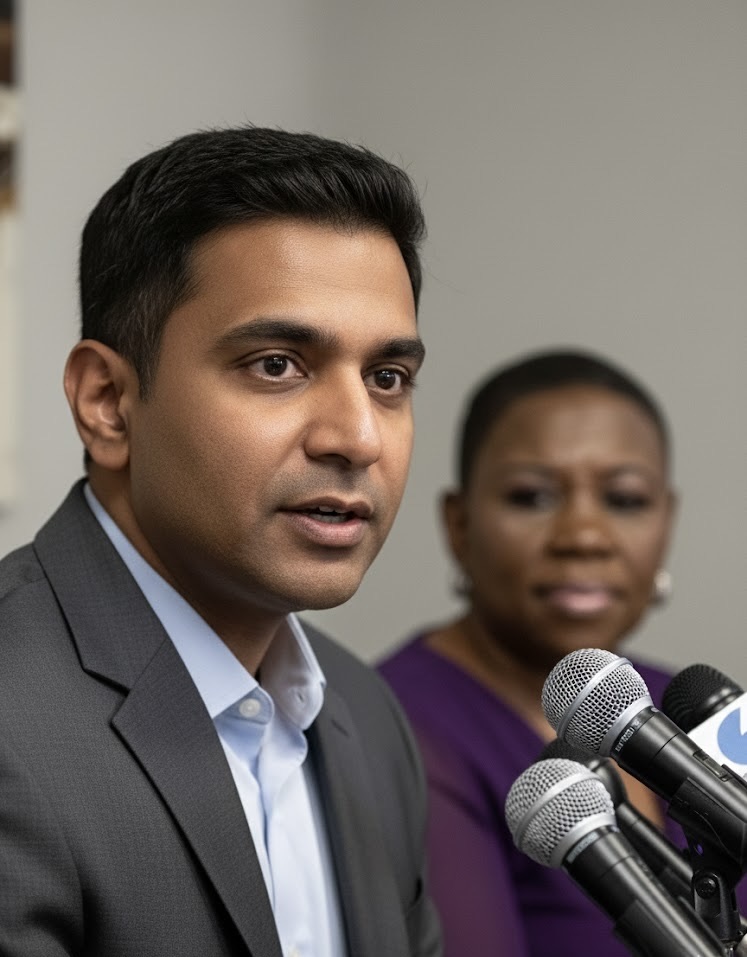
Even experienced leaders benefit from refreshers. Media landscapes shift fast, and what worked two years ago doesn’t necessarily work now.
What to Expect During a Media Training Session
A good media training program blends theory with practice. It’s hands-on, interactive, and built around real-world scenarios.
A typical session includes:
- Message Building: Defining your key messages, proof points, and tone of voice.
- Mock Interviews: Simulated Q&A sessions with video playback for critique.
- Crisis Simulations: Practice responding to tough or unexpected questions.
- Body Language and Delivery Coaching: Guidance on posture, facial expression, and tone.
- Digital Media Skills: Training for virtual interviews, webinars, and social media clips.
By the end, leaders not only understand what to say — they know how to say it with confidence and control.
How to Choose the Right Media Training Partner
Not all training programs are equal. When looking for a provider, consider these key factors:
- Industry Experience: Trainers who understand your field can offer realistic guidance.
- Custom Scenarios: The best training reflects your organization’s actual communication challenges.
- Practical Feedback: Look for programs that provide video playback and one-on-one coaching.
- Ongoing Support: Continuous sessions or refreshers help maintain progress and adapt to new media trends.
If possible, choose a partner who specializes in media training for businesses, not just individuals. That ensures the focus is on brand consistency and team alignment — not just personal performance.
The Future of Media Training
As we move deeper into 2026, media training will continue to evolve. A.I. will play a larger role in analyzing tone, sentiment, and delivery. Virtual simulations will become standard. And social media performance will weigh as heavily as traditional interviews in shaping perception.
But the core goal won’t change: helping leaders communicate with clarity, confidence, and credibility. Whether you’re addressing investors, the press, or your own employees, those skills define how your story is told.
Final Thoughts
The leaders who succeed in 2026 will be those who control their message — not those who react to it. Media training for businesses gives you that control. It prepares you to handle any question, in any setting, while keeping your values and voice front and center.
In a world where anyone can go viral, media training isn’t just about looking good on camera. It’s about protecting your reputation, amplifying your message, and leading with confidence.